
Appointment management system
Building an in-house appointment management system to bridge the gap between asynchronous healthcare and the accountability of structured appointments.

Introduction
In May 2021, I joined Reset Health as their founding product designer. Alongside a new CPO, I translated a high-level vision into the end-to-end design of a 0-1 build.
The product — Roczen — was designed to redefine traditional healthcare by solving the pitfalls virtual appointments introduced during the pandemic.
To achieve this, we launched a fully asynchronous care model built on structured questionnaires and 24/7 messaging between patients, clinicians and coaches.
Challenge
Whilst many patients loved the flexibility, we quickly spotted a larger segment with low engagement and high churn.
Clinicians began using third-party tools like Google Meet to boost engagement, creating inconsistency in care.
After weeks of interviews and surveys, we identified clear pain points across patients, clinicians and our operations team.
Insight
Patients felt disengaged and missed the accountability of regular appointments.
Clinicians couldn't deliver a standardised quality of care using third-party tools.
Our operations team was drowning in manual tasks with limited reporting, stunting our growth.
Solution
Despite our asynchronous roots, it was time to build an in-house appointment management system that served patients, clinicians and operations alike.
Returning to Reset Health in November 2023 — fresh from overhauling Fresha's booking system — I built out our product strategy and led end-to-end delivery of the appointment management system.
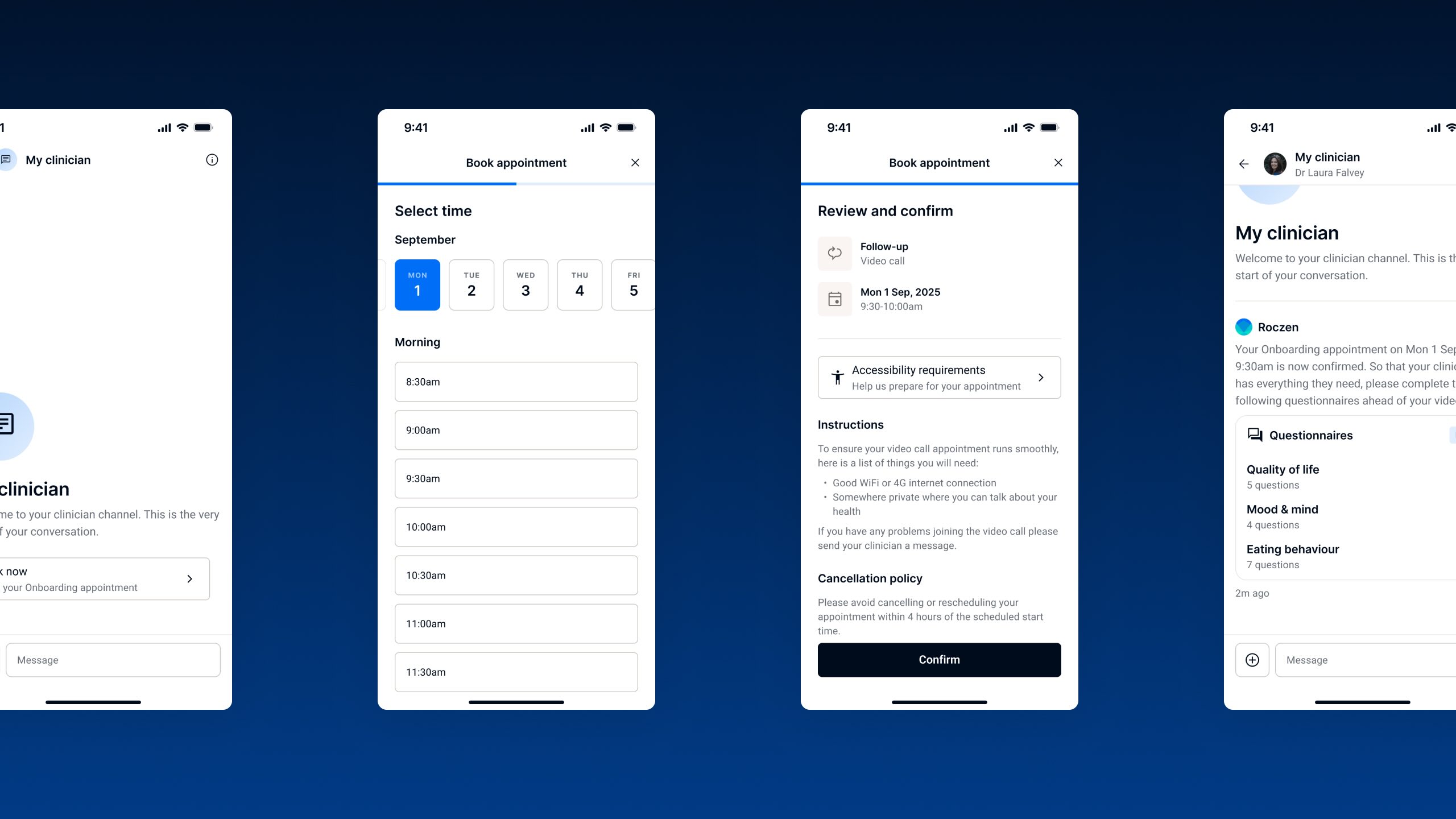
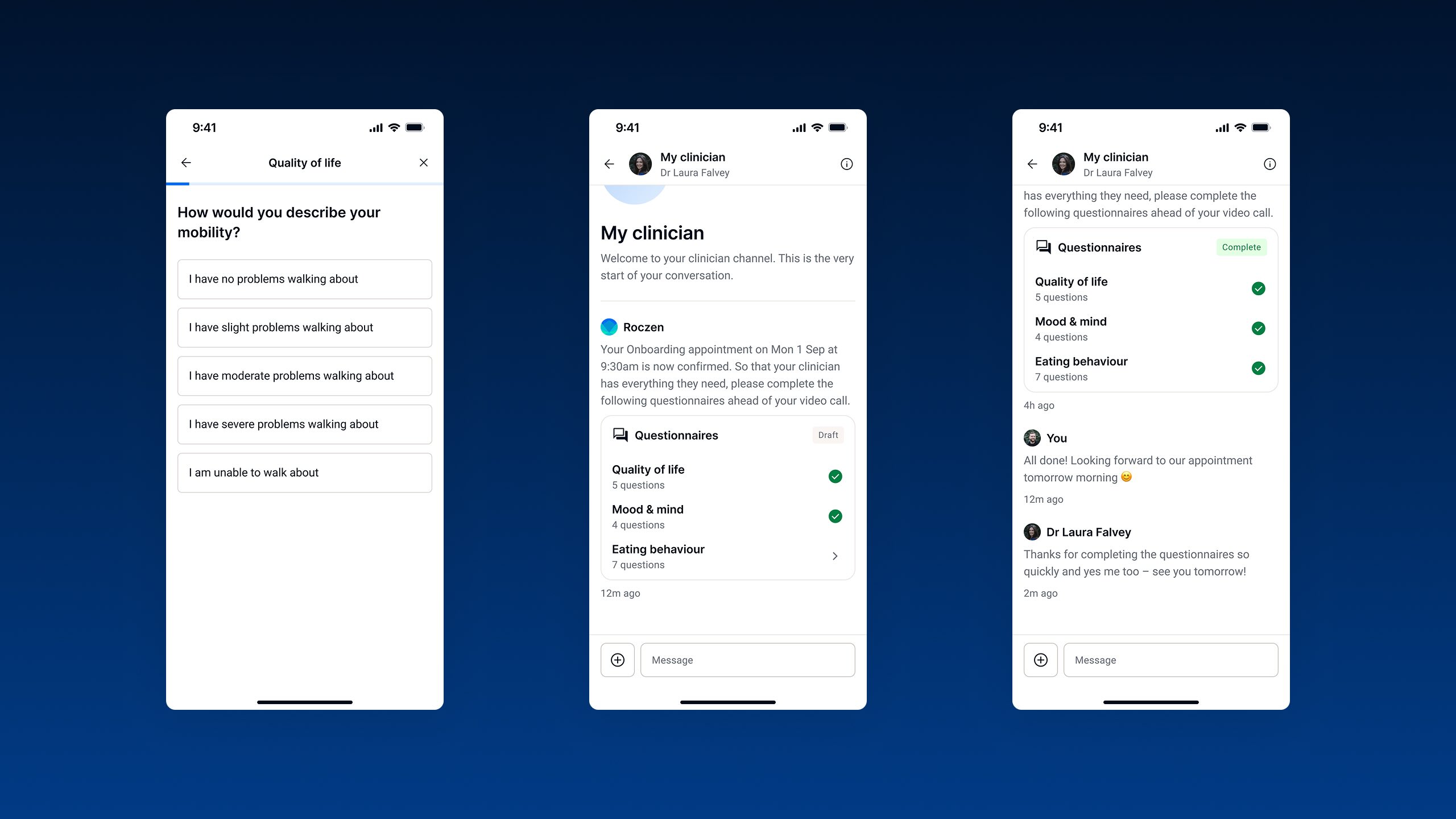
Automated onboarding
Clinician reliance on third-party tools created manual overhead and risk.
We streamlined onboarding by automating key processes and pacing patient tasks based on feedback — creating a more manageable, patient-focused experience.
Appointment types
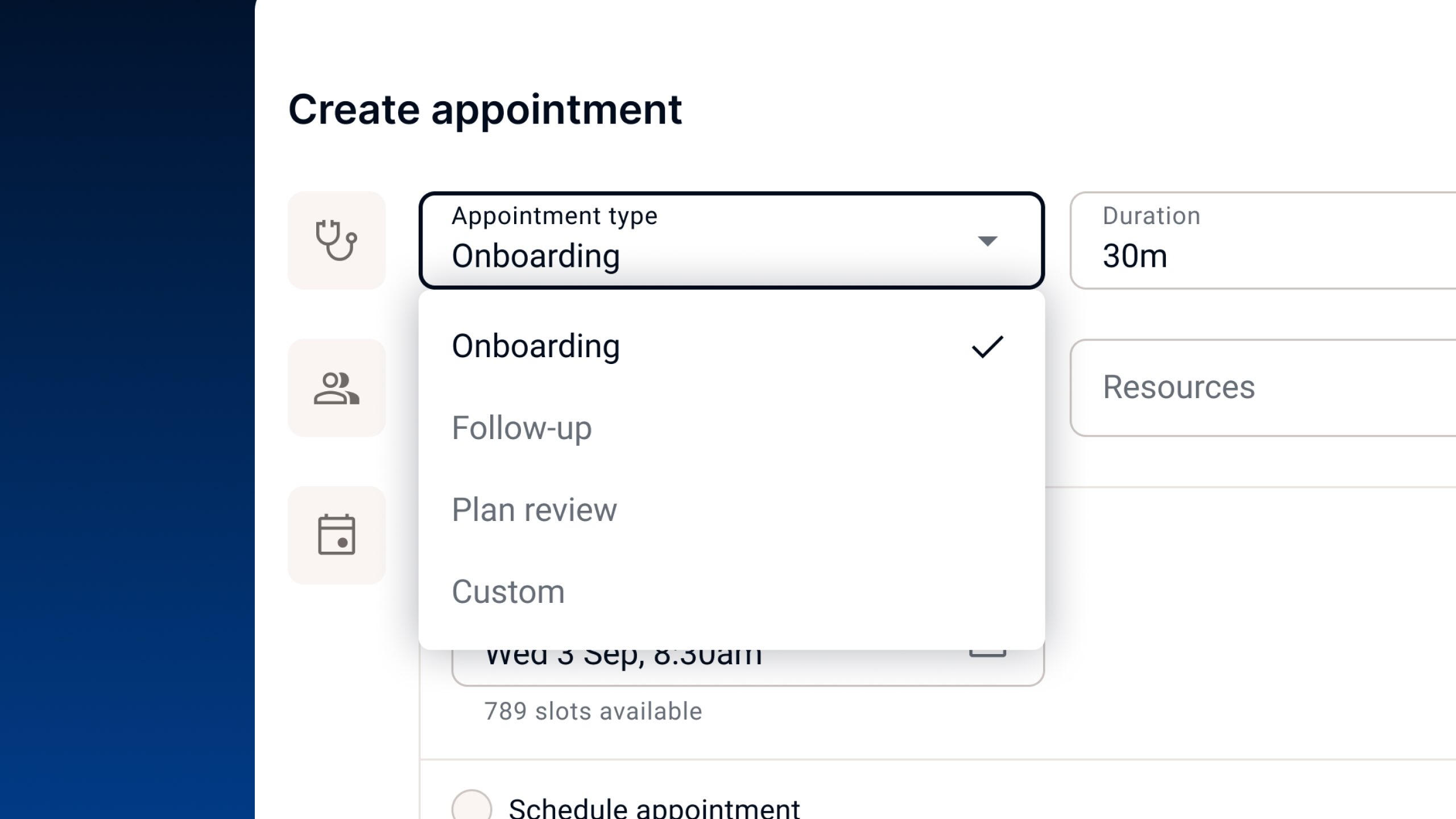
Stakeholder interviews revealed the need to balance flexibility with standardised care.
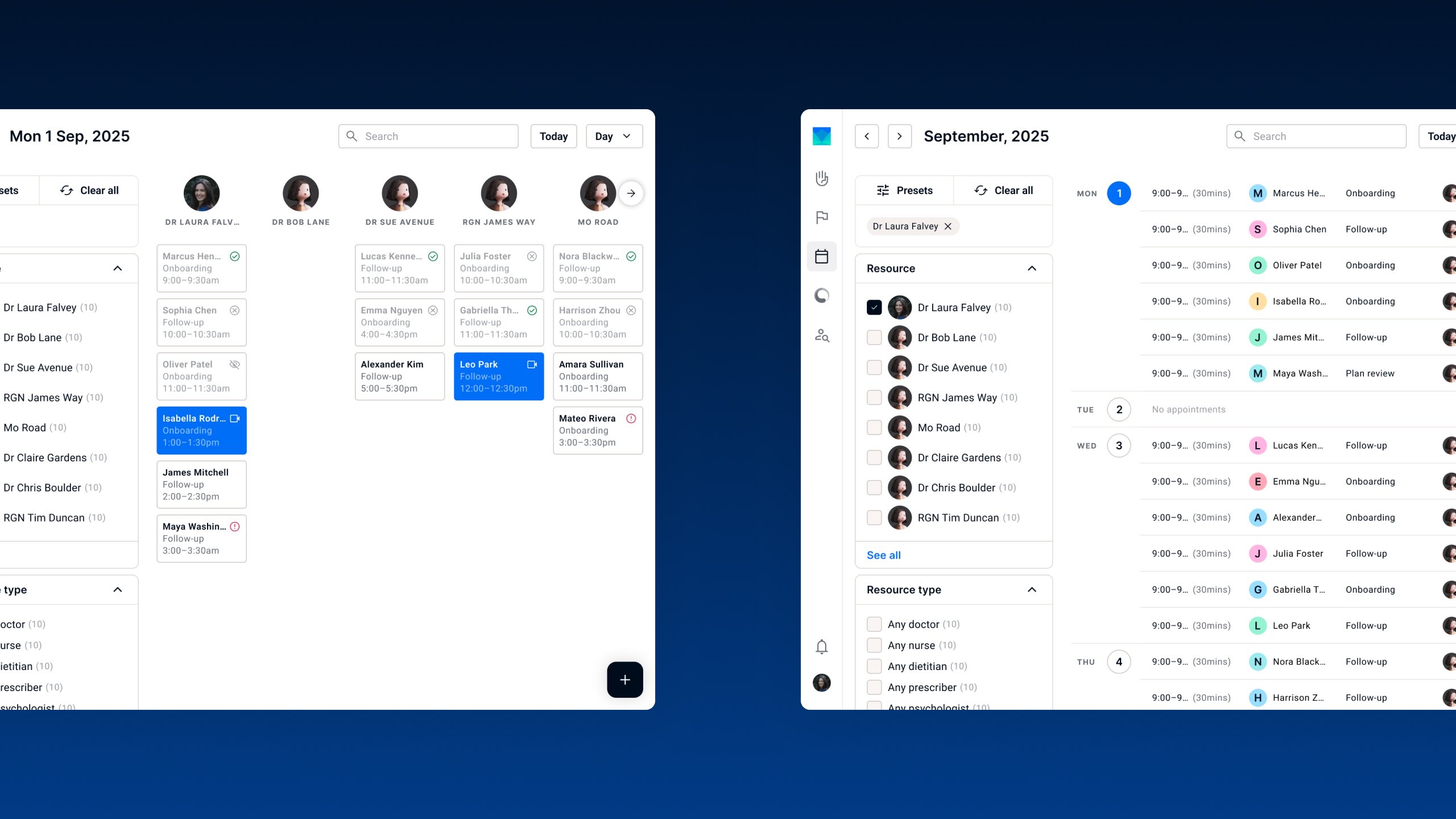
We defined four appointment types with role-based access controls to ensure scalability, consistent delivery and robust reporting.
Resource types
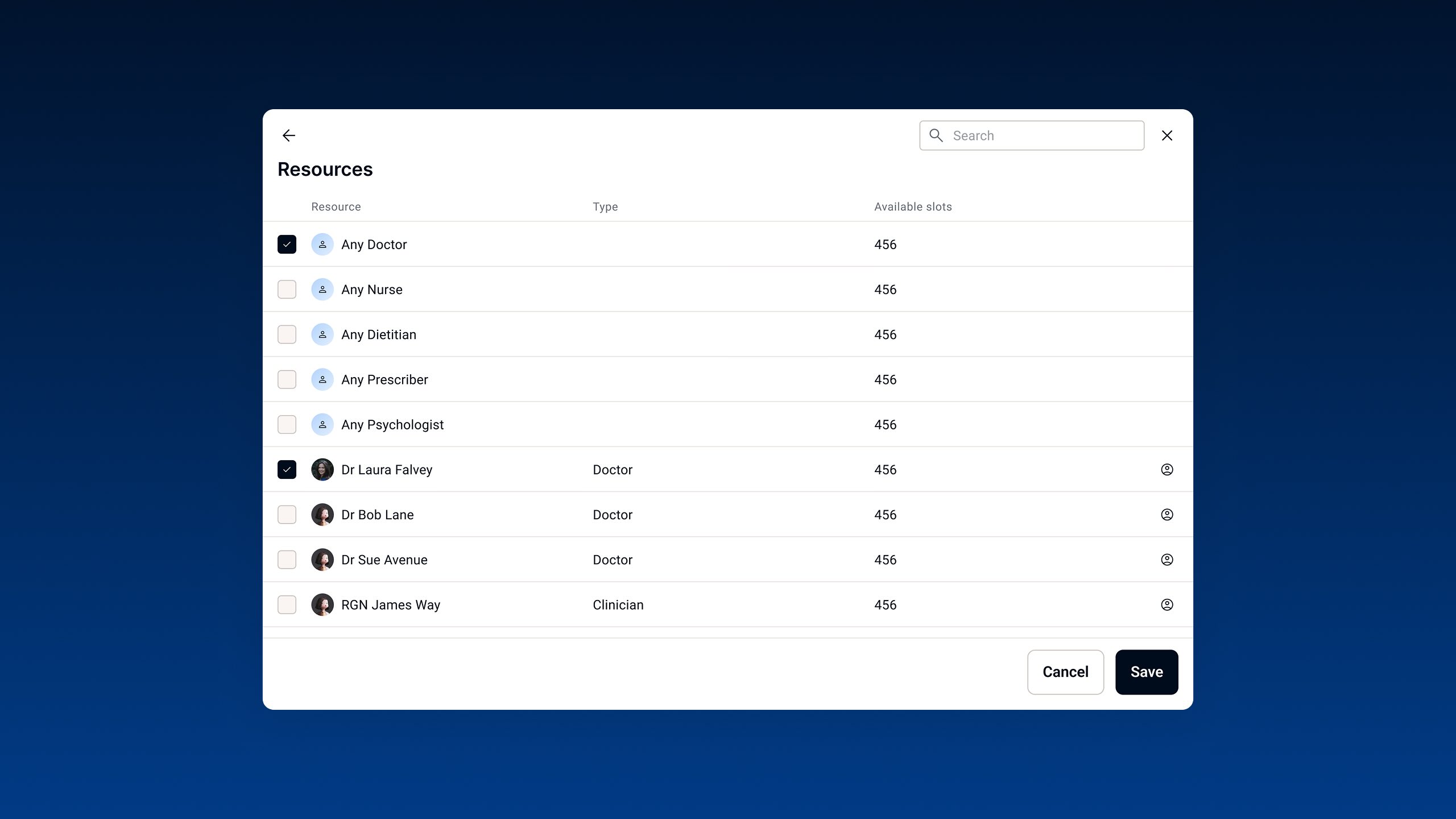
We needed continuity of care alongside a scalable system with effective capacity monitoring.
Resource types segmented clinicians into distinct roles — enabling optimised allocation, role-based access and maximised appointment availability.
Scheduling flexibility
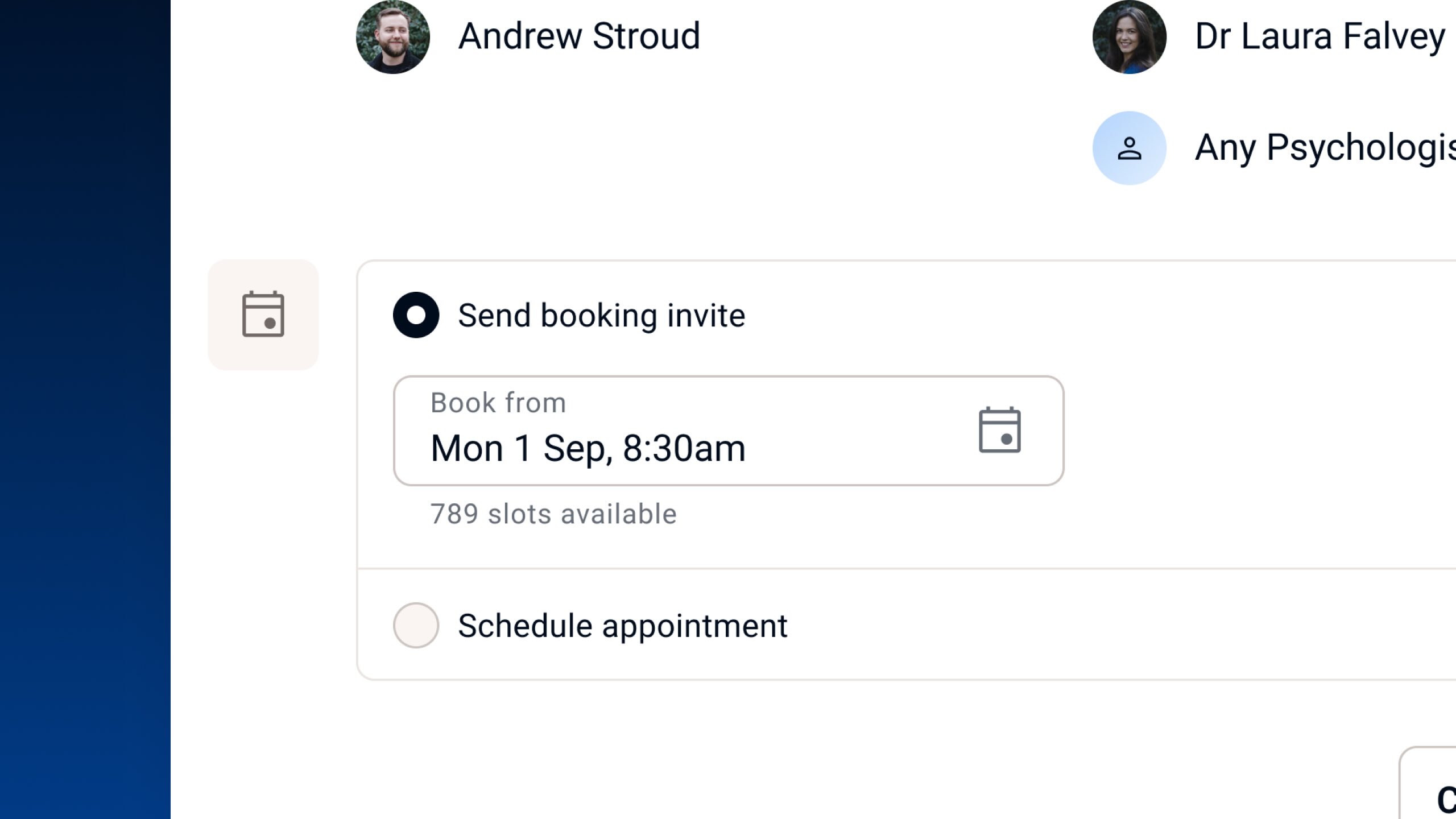
Patient choice was core to our strategy, but clinicians needed flexibility too. We built a booking system that let both parties choose a time that works for them.
Re-scheduling flexibility
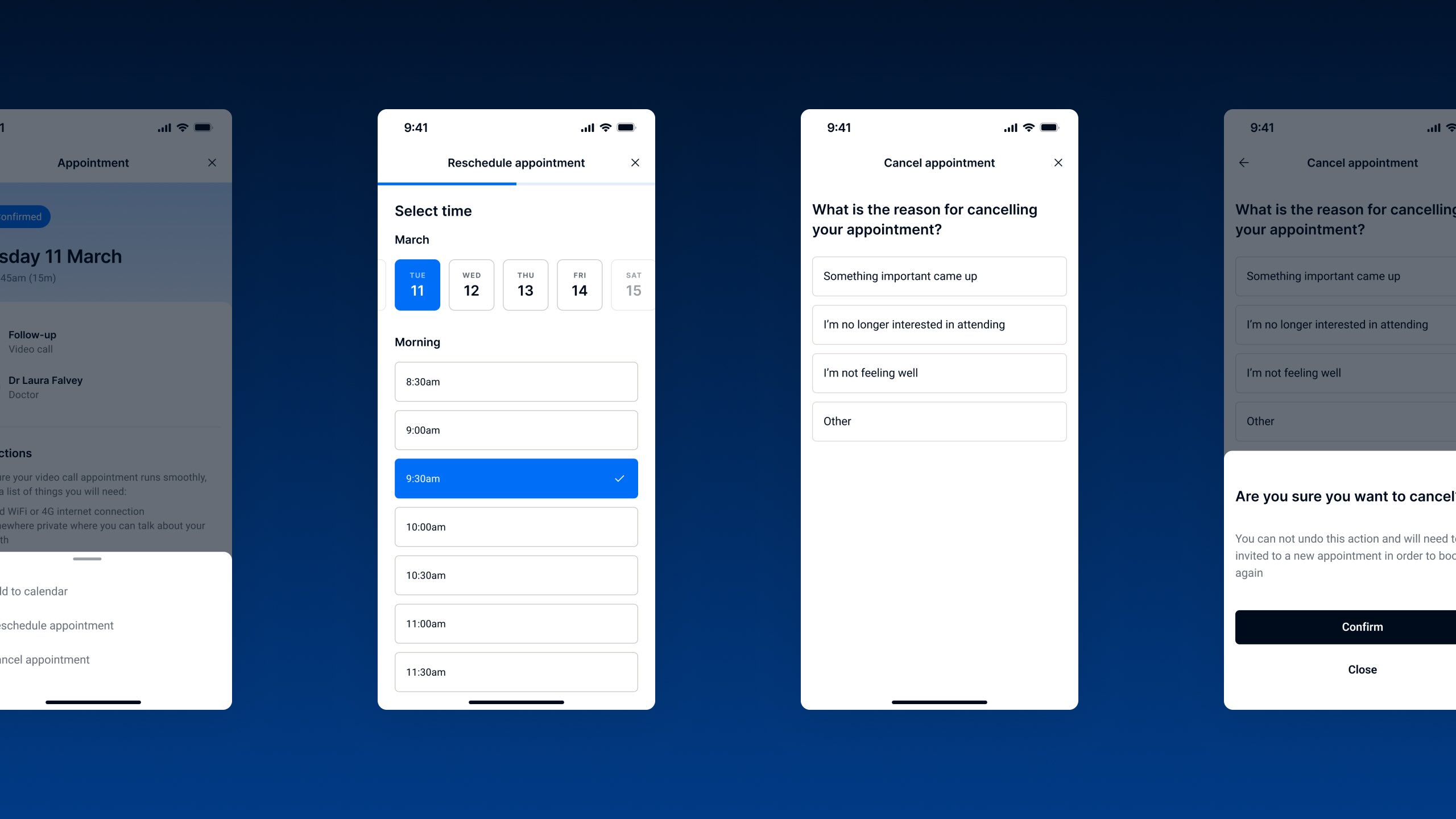
To tackle the NHS's 7% no-show rate, we gave patients full control of their appointments.
Automated reminders and seamless management boosted satisfaction, improved clinician efficiency and freed our team to focus on more important tasks.
Virtual appointments
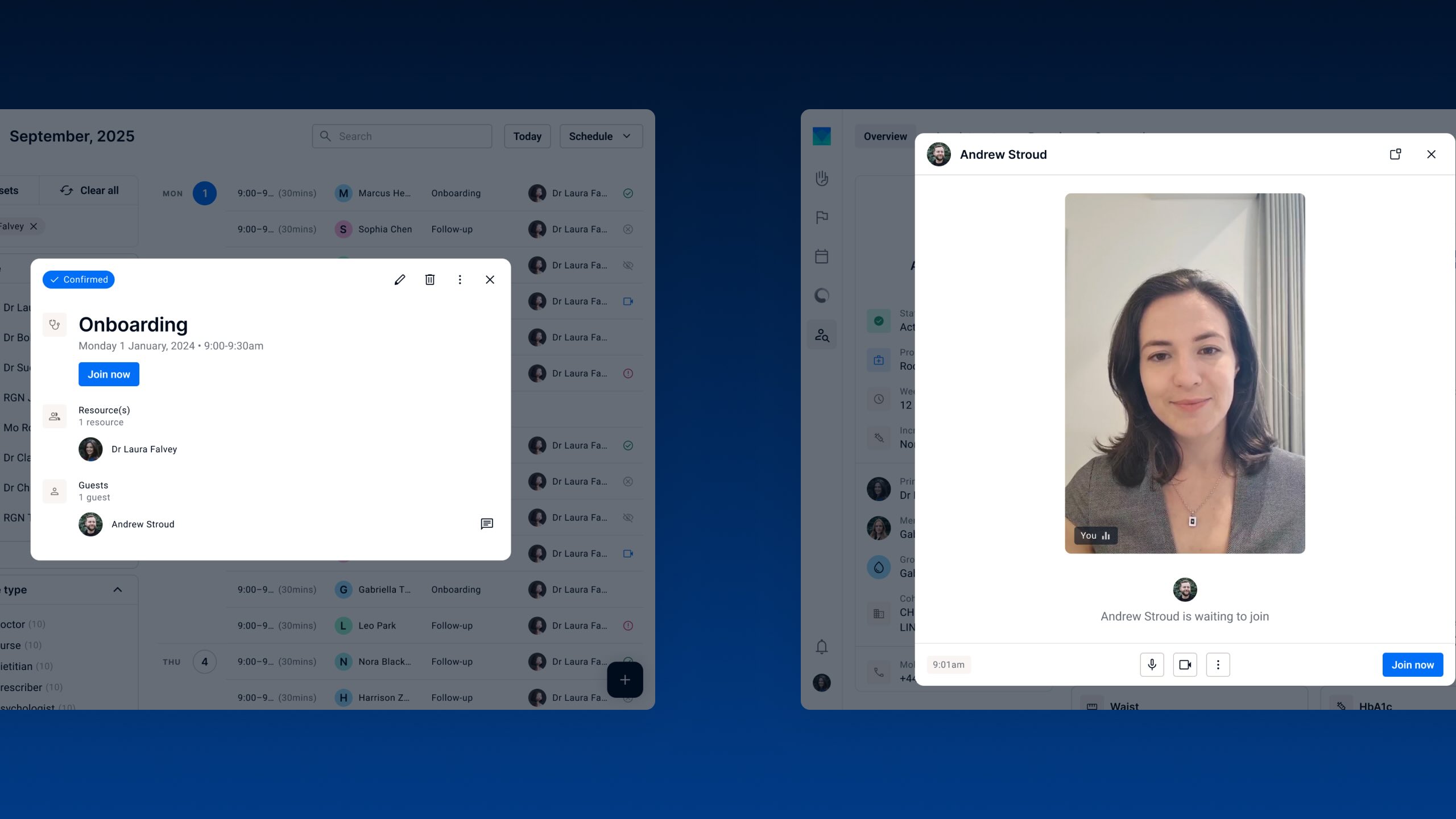
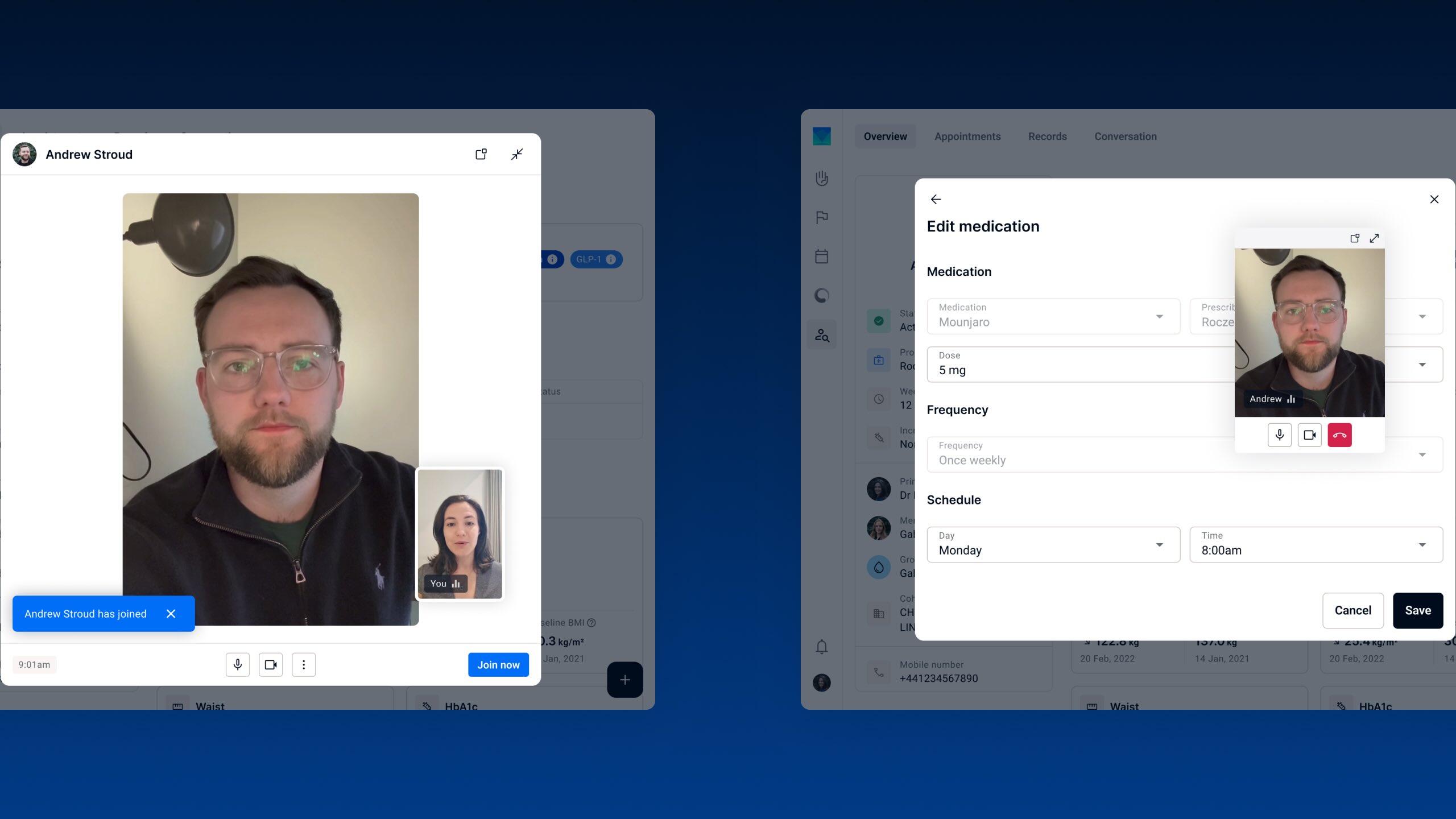
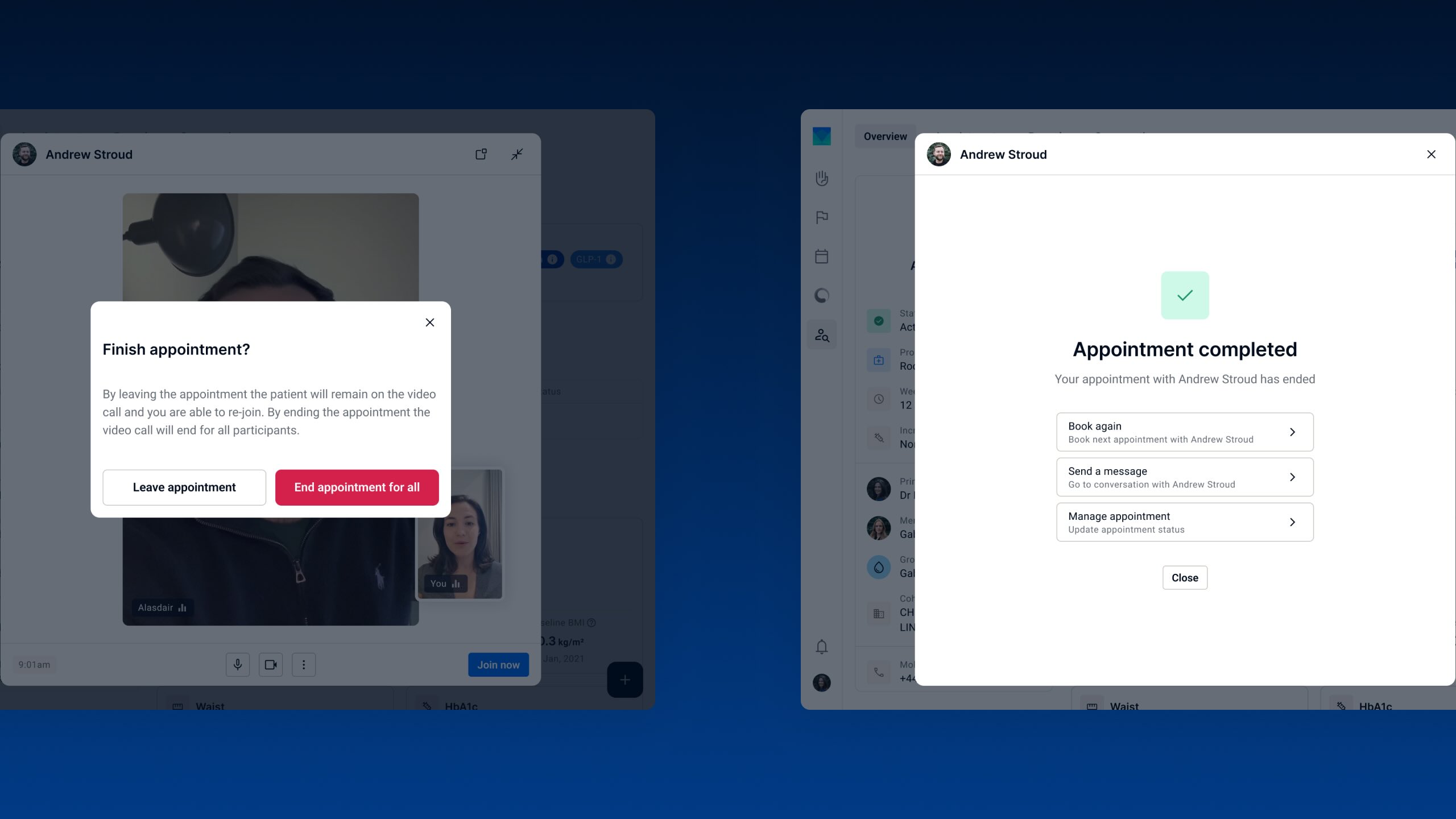
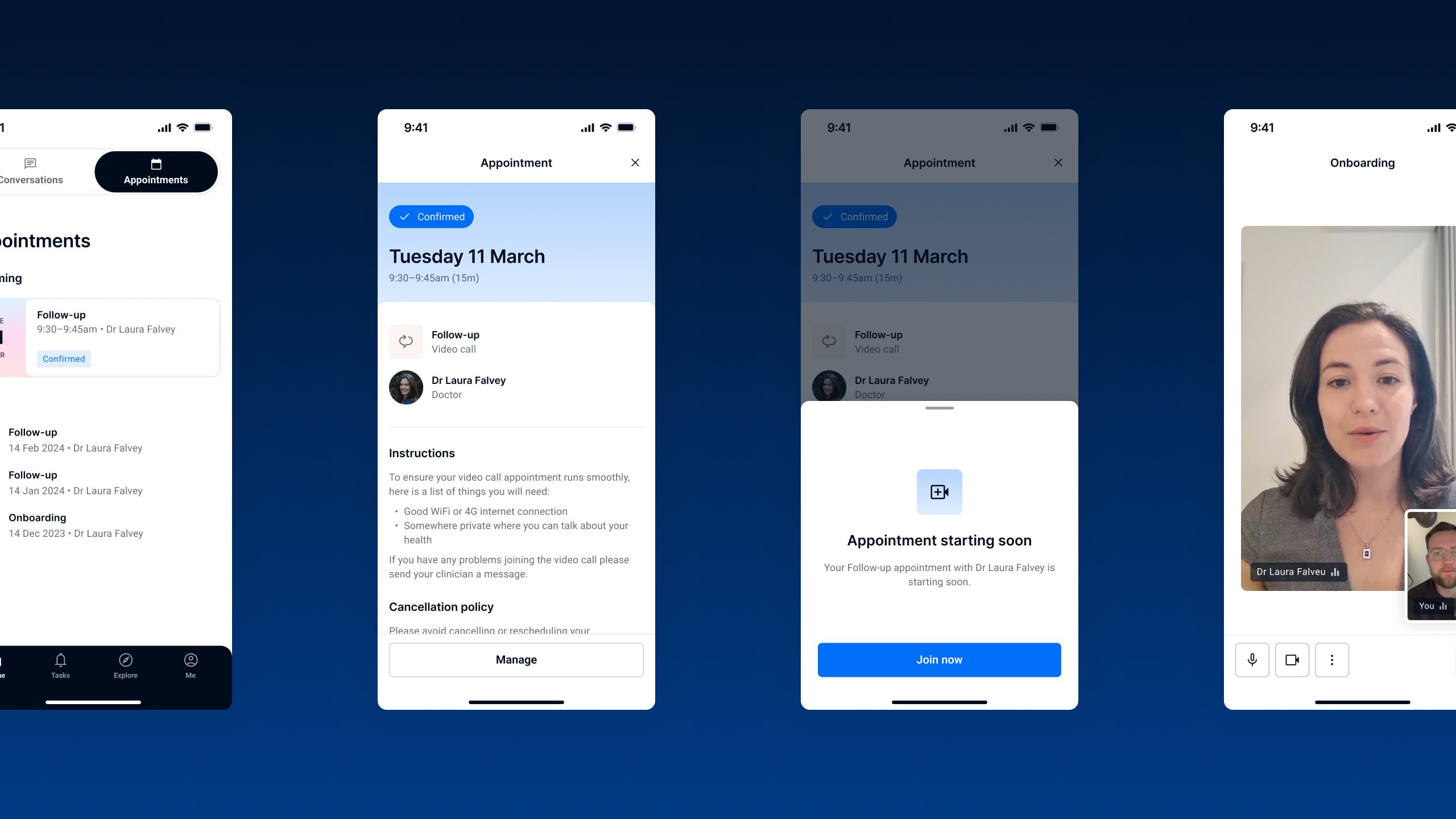
We built our video call feature on Zoom's SDK — giving patients a reliable experience whilst letting us customise the frontend and embed it seamlessly within the clinic and patient interface.
Impact
Increased patient satisfaction with scheduling flexibility.
Greater reporting capabilities, enabling capacity measurement and efficient scaling.
Fewer manual tasks for clinicians, leading to a more standardised quality of care.
Learnings
Over-communicate, demo frequently and document thoroughly for non-product stakeholders.
Offload undifferentiated heavy lifting so you can focus on what makes your product different.
Phased rollouts don't always make change easier — constant re-learning adds friction.